
The UK government has announced a new round of sanctions aimed at stopping Russia’s use of cryptocurrency networks and “shadow financial systems” to evade restrictions linked to the war in Ukraine.
The measures, introduced by the Foreign, Commonwealth and Development Office, target cryptocurrency exchanges, financial intermediaries and individuals accused of helping Moscow bypass Western sanctions through digital assets and cross-border payment systems. The sanctions also focus on the Kremlin-backed A7 network, which the UK says exploited foreign financial systems to channel funds into Russia’s war economy.
The latest sanctions introduced reflect growing concern among UK authorities about the increasing use of crypto-assets and opaque financial structures to conceal transactions and facilitate sanctions evasion. Targeted entities now face asset freezes, while UK businesses are prohibited from processing payments or maintaining correspondent banking relationships with them.
Commenting on the latest developments, BCL Partner John Binns noted that while sanctions designations are becoming an increasingly common enforcement tool, they are not always the most effective approach.
“New sanctions designations are an increasingly well-used weapon in the government's armory, but they are not necessarily the most effective,” he said. “Their nature - as a set of prohibitions that apply in the UK and to UK persons overseas - means they have a tendency to backfire.”
The announcement forms part of the UK’s wider sanctions strategy, with more than 3,300 Russian-linked targets sanctioned since the invasion of Ukraine began in 2022.
To read the full article, click here.

More like this

Sanctions compliance – John Binns speaks to The Law Society Gazette
The Russian invasion of Ukraine has thrust sanctions compliance up the agenda for law firms of all sizes. BCL’s John Binns spoke to Katharine Freeland

”UK sanctions—a year in review” John Binns writes for LexisNexis
To say that this has been a game-changing year in UK sanctions would be an understatement. Almost a year since the start of the conflict in Ukraine
Chambers and Partners Sanctions 2024 Guide
The new Chambers and Partners UK Chapter of the Sanctions 2024 Guide, written by Partner John Binns, covers key jurisdictions, providing the latest information on regulatory and legal updates, delisting challenges, trade and export restrictions, litigation and arbitration and designation, compliance and circumvention.

Russia Sanctions and Legal Advice: Some Much-Needed Clarity
The UK Government has introduced key changes to the sanctions provisions regarding legal advisory services in the Russia (Sanctions) (EU Exit) Regulations 2019 (“Russia Regulations”).

The UK has sanctioned 7 Israeli settler outposts and organisations in the West Bank
On 15 October 2024, the Foreign, Commonwealth & Development Office (“FCDO”) sanctioned three settler outposts and four Israeli organisations that it says “have supported and sponsored violence against communities in the West Bank”, under the UK’s global human rights sanctions regime.

Secondary Sanctions, De-Risking, and More: How UK Sanctions Aim for Global Reach
On 26 June 2025, the FCDO published new guidance on UK sanctions compliance for non-UK companies, including businesses in Armenia, Georgia, Kazakhstan, Kyrgyzstan, and Uzbekistan.

UK Sanctions Round-Up: Enforcement Tightens
BCL’s latest sanctions round-up highlights key UK and international developments in sanctions law, enforcement, and policy.

Sanctions Fortnightly Summary: Key UK and Global Developments
This edition of our sanctions round-up covers key UK and international developments.

Fortnightly Sanctions Summary: New Licences, Designations and Enforcement
BCL’s latest sanctions and export controls round-up reviews significant developments in UK and international sanctions law and enforcement over the past fortnight.

Sanctions Round-Up: OFSI Annual Review, Russian Designations, and Policy Shifts
Our latest Sanctions and Export Controls Fortnightly Round-Up reviews key UK and international developments from 6th to 17th October 2025.

Global Sanctions Tighten: New OFSI Licences, EU’s 19th Russia Package, and Lifting of UK Arms Embargo on Armenia and Azerbaijan
This edition covers key UK, US, and EU sanctions and export control developments over the past two weeks.

Fortnightly Sanctions Round-Up: Lukoil Licences, Cyber Designations & Parliamentary Updates
This fortnight’s update highlights significant UK and international developments in sanctions and export controls, including new OFSI General Licences connected to Lukoil, fresh designations under the UK’s Russia and Cyber regimes, and parliamentary scrutiny concerning the use of interest accrued on the frozen proceeds from the sale of Chelsea Football Club.

Sanctions & Export Controls Round-Up: December Update
BCL’s latest sanctions and export controls round-up highlights key UK and international developments in sanctions law and compliance.

BCL Sanctions Round-Up: Key UK and Global Developments
This first 2026 edition considers evolving UK sanctions enforcement practice, government policy responses to sanctions evasion, and Parliamentary scrutiny of the UK’s Magnitsky-style regimes. It also examines developments relating to Venezuela, shadow fleet activity, crypto-assets and humanitarian licensing.

John Binns Comments on OFSI’s Sanctions Enforcement Overhaul
John Binns, Partner at BCL, has commented on major reforms announced by the Office of Financial Sanctions Implementation (OFSI), including new settlement incentives that could reshape enforcement strategy.

UK and International Sanctions: Key Developments – February 2026
This edition highlights key developments in UK and international sanctions and export controls, including enforcement reforms, new designations, and emerging compliance risks.
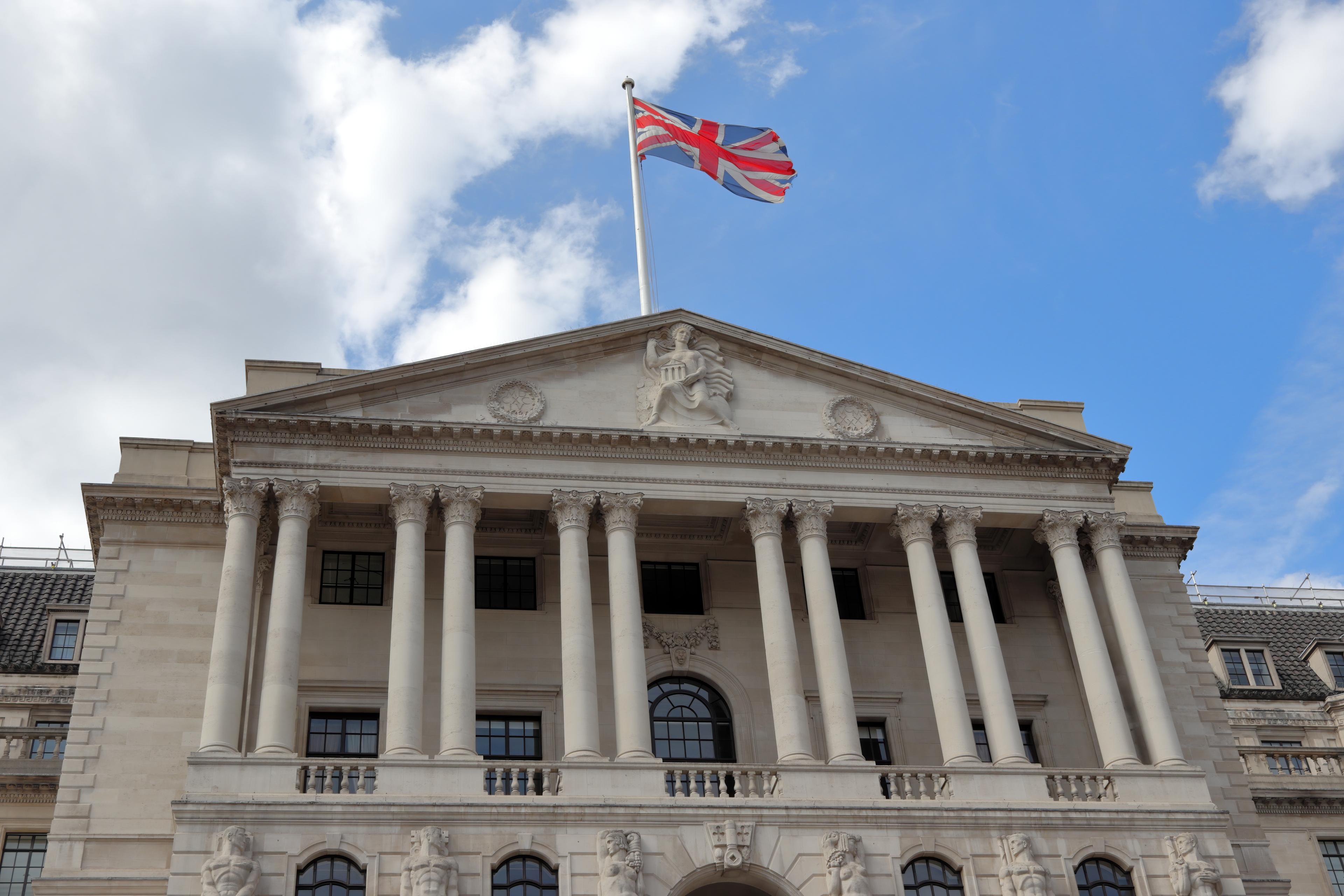
UK Tightens Sanctions on Russia: BCLs John Binns Warns of Rising Business Impacts
ImpactsThe UK has unveiled nearly 300 new sanctions against Russia, its largest package since the early months of the Ukraine war, targeting oil exports, financial services, military supply chains and energy sectors.

BCL Sanctions Update: Key UK Enforcement, Policy and Compliance Trends
This update highlights major UK and international sanctions developments, with a particular focus on the UK’s expanded Russia sanctions regime, evolving designation strategies, and key enforcement, policy and compliance considerations for businesses.

Sanctions and Export Controls Round-Up: Latest Enforcement and Policy Updates
BCLs latest sanctions round-up highlights key developments across UK and international sanctions regimes, including updates to the UK sanctions list, US oil-related sanctions measures, enforcement activity, and new UK guidance on sanctions compliance.

BCL Authors Chapter in UK Sanctions Law and Practice
John Binns and Mohamed Naleemudeen have co-authored the chapter on Director Disqualification Sanctions in the recently published book, UK Sanctions Law and Practice.

Sanctions Round-Up: Key UK Legal Developments and Enforcement Trends March 2026
BCL’s latest sanctions round-up highlights significant developments in UK sanctions law, policy, and enforcement.
Hypothetical Control’ in UK Sanctions: Nonsense on Stilts?
One of the most difficult issues in UK sanctions is their application to companies that are ‘owned or controlled’ by a designated person. In BCL’s response to the government’s call for evidence on an aspect of these provisions, John Binns makes the case for a broader review.

Sanctions Round-Up: Iran Developments, First OFSI Settlement, and Export Control Changes
BCL’s latest Sanctions Fortnightly Summary highlights the developments across UK and international sanctions and export controls.

Sanctions Round-Up: OFAC Designations, OFSI’s New Strategy and a Rare UK Prosecution
BCL’s latest Sanctions Round-Up highlights key developments in UK and international sanctions law and enforcement.
Iran Blockade: Key Compliance Challenges for Businesses
Partner John Binns has contributed to a Compliance Week article examining the compliance challenges arising from the Iran blockade and disruptions in the Strait of Hormuz.
Sanctions Round-Up: Russia, Iran, Export Controls and New Designations
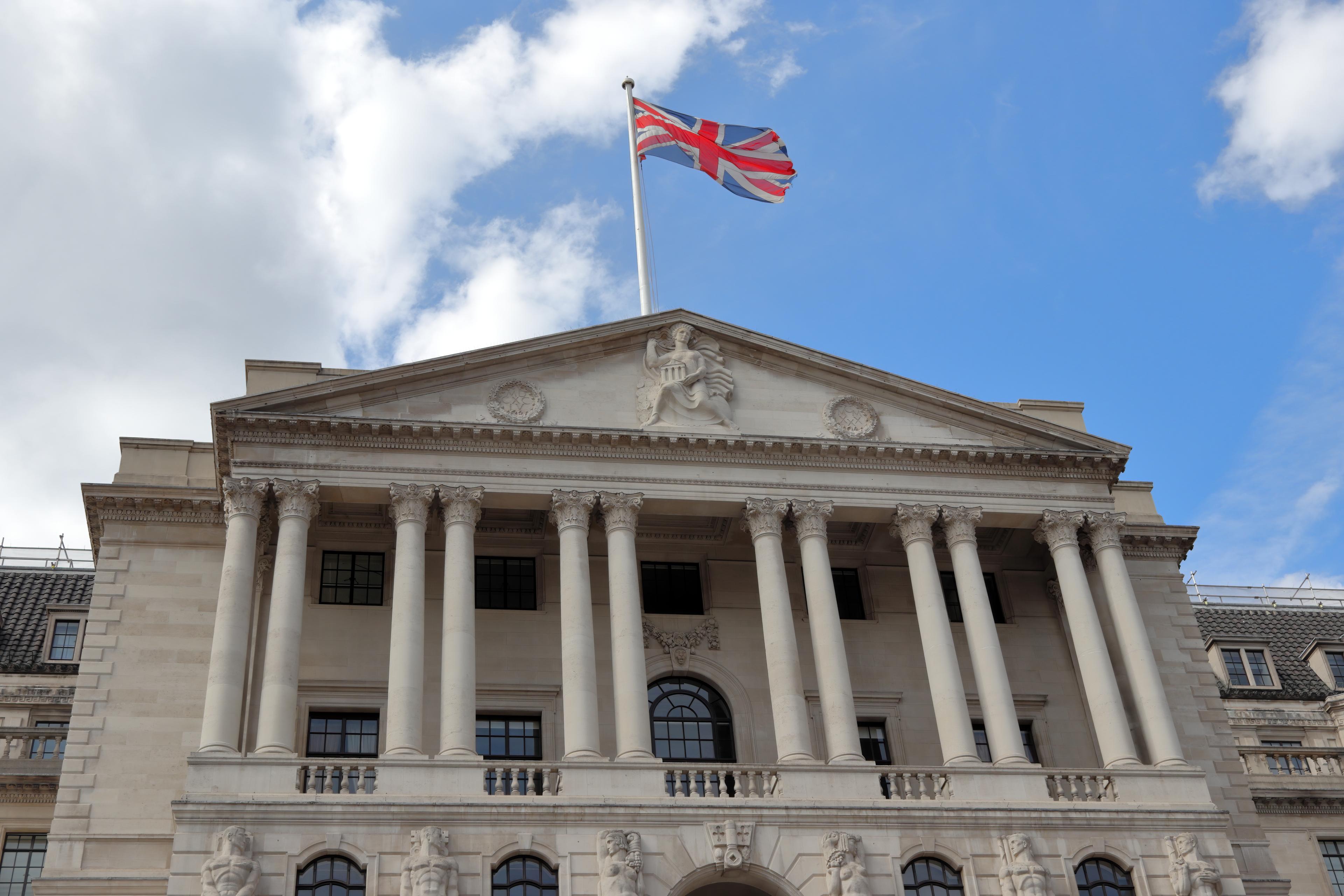
UK Expands Russia Sanctions Over Child Deportations and Disinformation
The UK government has imposed sanctions on 85 individuals and entities linked to Russia's alleged forced deportation and militarisation of Ukrainian children and interference with Armenian elections.

Latest Sanctions Developments: UK and International Update
BCL’s latest sanctions round-up highlights significant developments across UK and international sanctions regimes, with a particular focus on recent changes to the UK’s Russia sanctions framework.

Sanctions Fortnightly Summary: Key UK and International Developments
BCL’s latest Sanctions highlights key developments in UK and international sanctions law and practice, including updates to the UK sanctions regime, the FCA’s findings on sanctions systems and controls within financial services firms, and significant US sanctions developments, such as the publication of OFAC’s new introductory guidance.
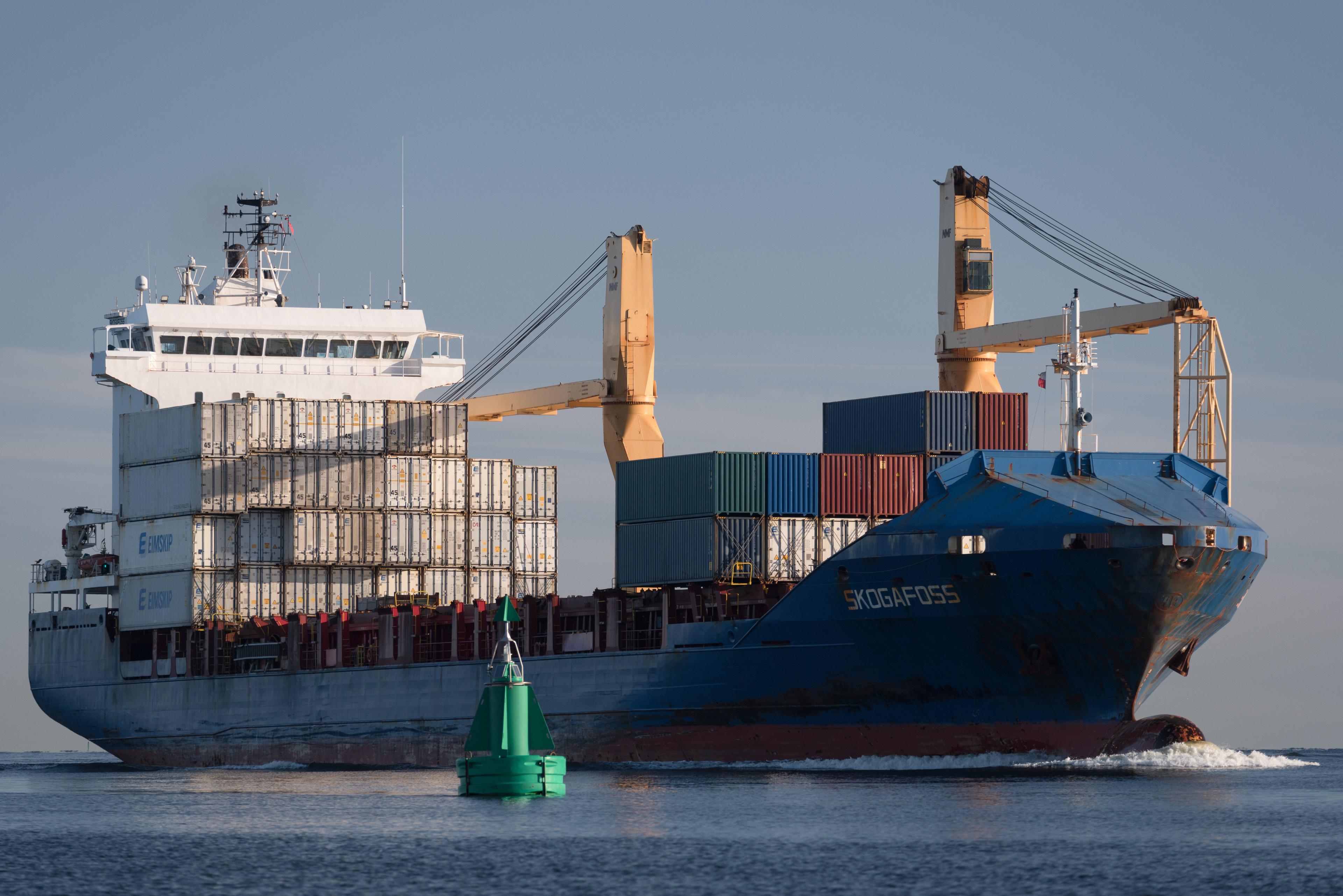
Sanctions Update: New Russia Measures and Landmark Enforcement Action
BCL’s latest Sanctions Fortnightly Summary highlights significant developments across the UK, EU and US sanctions landscape, with a particular focus on Russia-related measures and enforcement activity.

Sanctions & Export Controls Round-Up: Key UK, EU and U.S. Developments
BCL’s latest sanctions and export controls round-up examines the latest UK, EU and U.S. developments, highlighting increased enforcement activity, continued pressure on Russia’s "shadow fleet", and important regulatory updates for businesses navigating sanctions compliance.

John Binns Explores the Legal Challenges of Expanding Sanctions Regimes
Partner John Binns has been featured in Law360, commenting on the UK government's increasing use of sanctions as a tool to disrupt international criminal activity.

The Latest Sanctions Developments: New Powers, New Targets and Increased Enforcement
BCL's latest sanctions round-up examines the most significant developments across the UK, EU and US sanctions regimes.

Home Is Where the Art Is? Sanctions Prohibitions Clarified in R v Hauser & Wirth Gallery Ltd and Anr

Sanctions and Export Controls Round-Up: EU, UK and US Highlights
In BCL's latest Sanctions and Export Controls: Fortnightly Summary, Associates Evgeni Voznoi, Mohamed Naleemundeen and Trainee Solicitor Dimitri Naumenko-Pronin highlight the key UK and international developments from the past fortnight.

John Binns shares insights on the UK's latest sanctions targeting Russia
BCL Partner John Binns has commented in Solicitors Journal on the UK government's latest package of sanctions targeting Russia's military and economic networks in support of Ukraine.

Sanctions Update: Key UK, US and EU Developments
In BCL's latest sanctions fortnightly summary, Partner John Binns, Associate Evgeni Voznoi and Trainee Solicitor Dimitri Naumenko-Pronin highlight the key UK and international developments from the past fortnight.
BCL Partner John Binns contributes to Chambers and Partners Sanctions 2026 Global Practice Guide
BCL Partner John Binns has contributed to the Chambers and Partners Sanctions 2026 Global Practice Guide, authoring the UK chapter.

UK & US Sanctions: Key Developments and Enforcement Updates
Our latest sanctions round-up, written by BCL Partner John Binns, Senior Associate Magali Sharma, and Trainee Solicitor Dimitri Naumenko-Pronin, considers the latest developments in UK and US sanctions.


Sanctions Update: Key UK and US Developments
Partner John Binns and Principal Associate Alex Gorst have written BCL's latest Sanctions Fortnightly Summary, covering September 2026.

Sanctions Update: Key UK, US and EU Developments from 14-27 September
Partner John Binns and Trainee Solicitor Dimitri Naumenko-Pronin have written BCL's latest Sanctions Fortnightly Summary.

BCL Sanctions Round-Up: September 28th to October 11th 2026
BCL Partner John Binns and Senior Associate Magali Sharma have prepared the latest edition of BCL’s sanctions round-up, covering key developments in UK and US sanctions.